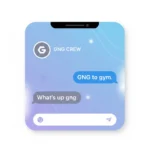


In texting and online slang, “ion” means “I don’t.” It is an informal abbreviation that drops the apostrophe and space from “I don’t,” and it is commonly used in casual digital conversations.
If you have ever received a message that says something like “ion know” or “ion like that,” you might have paused for a second. At first glance, it looks like a science term. However, in texting culture, ion has nothing to do with chemistry.
Instead, it is part of modern internet slang. Because texting is fast and informal, people often shorten common phrases. As a result, “I don’t” becomes “ion.”
In this complete guide, you will learn what ion means in text, where it came from, how it is used, when to avoid it, how it compares to similar slang, and what other meanings it can have in different contexts.
What Does Ion Mean in Text?
In texting and online messaging, ion means “I don’t.”
It is a phonetic spelling based on how “I don’t” sounds when spoken quickly. When people say “I don’t” fast, it can sound like “iont” or “ion.” Eventually, that pronunciation turned into a written slang form.
For example:
Ion know
I don’t know
care
I don’t care
Ion want that
I don’t want that
Because texting prioritizes speed, this shortened version became popular in casual communication.
Where Did Ion Slang Come From?
The slang use of ion developed from spoken English patterns, particularly in informal American speech.
Over time, several factors contributed to its popularity:
- Fast texting culture
- Social media platforms
- Character limits in posts
- Influence from hip hop and internet communities
Additionally, platforms like Twitter and TikTok encouraged short, punchy language. Consequently, slang such as “ion,” “finna,” and “ima” became widespread.
Although it is informal, it is now widely understood among younger internet users.
How Ion Is Used in Real Text Conversations
To understand it clearly, let us look at real style examples with tone differences.
Casual and Friendly Tone 😊
Ion know what to wear tonight
Ion think that movie was good
Ion wanna go out today
In these examples, the tone feels relaxed and conversational.
Neutral Informal Tone
Ion remember what time it starts
Ion have the address
Here, the meaning is straightforward. The slang does not add emotion. It simply replaces “I don’t.”
Dismissive or Blunt Tone 😐
Ion care
Ion got time for that
Depending on context, these can sound indifferent or slightly rude. Therefore, tone and relationship matter.
Ion vs Standard English
Although “ion” means “I don’t,” it is not grammatically correct in formal writing.
Here is a comparison:
| Ion (Slang) | Standard English | Appropriate Setting |
|---|---|---|
| Ion know | I don’t know | Casual texting |
| Ion care | I don’t care | Friends only |
| Ion think so | I don’t think so | Informal chats |
| I don’t know | I don’t know | School, work, formal |
As you can see, the meaning stays the same. However, the level of professionalism changes.
When Should You Use Ion?
Because it is slang, context matters.
You can use ion when:
- Texting close friends
- Posting casually on social media
- Chatting in informal group messages
- Responding in relaxed conversations
On the other hand, you should avoid it in:
- Professional emails
- Academic writing
- Job applications
- Formal business messages
In professional settings, always use “I don’t.”
Why Ion Became Popular
Several cultural shifts helped this slang grow quickly.
First, digital communication rewards speed. Shorter words mean faster typing.
Second, internet communities enjoy creative spellings that reflect spoken language.
Third, social media trends amplify slang rapidly.
As a result, terms like “ion” move from small communities into mainstream use within months.
Common Phrases Using Ion
You will often see ion in repeated expressions online.
Examples include:
Ion know
Ion care
Ion even mean that
Ion got it
Ion see nothing
Because these phrases are short and common, they spread easily.
Ion Compared to Similar Text Slang
Modern texting includes many shortened forms. Here is how ion compares to other popular abbreviations.
| Slang | Meaning | Tone | Example |
|---|---|---|---|
| Ion | I don’t | Casual | Ion know |
| Idk | I don’t know | Neutral informal | Idk what happened |
| IDC | I don’t care | Blunt | IDC anymore |
| Ima | I am going to | Casual | Ima call you |
| Finna | Going to | Informal | Finna leave |
While “idk” is widely accepted even in semi formal settings, “ion” is more slang heavy and informal.
Tone Matters When Using Ion
Although the meaning stays simple, tone can change the message significantly.
For example:
Ion know 🤷♀️
This feels playful or unsure.
Ion know.
This feels neutral.
Ion know and ion care.
This can sound dismissive or annoyed.
Therefore, emojis and punctuation often shape how the message is received.
Alternate Meanings of Ion
Outside of texting slang, ion has a completely different meaning in science.
In chemistry, an ion is an atom or molecule that has gained or lost electrons and carries an electrical charge.
For example:
- Sodium ion
- Hydrogen ion
Clearly, this meaning has nothing to do with texting slang. Context determines which meaning applies.
If you are in a science class, “ion” refers to chemistry. If you are in a group chat, it probably means “I don’t.”
Polite Alternatives to Ion
If you want to sound clearer or more professional, here are better alternatives:
Instead of:
Ion know
Use:
I don’t know
Instead of:
Ion think so
Use:
I don’t think so
Instead of:
Ion care
Use:
I’m not concerned about that
Switching to standard English ensures clarity and professionalism when needed.
Common Mistakes with Ion
Because it is slang, confusion can happen.
Some people mistakenly think “ion” means:
- I own
- I on
- Something scientific
However, in texting, it almost always means “I don’t.”
Another mistake is using it in formal writing. Even though slang is common online, it does not belong in academic or workplace communication.
Frequently Asked Questions
1. What does ion mean in text messages?
In text messages, “ion” means “I don’t.”
2. Is ion proper English?
No. It is informal slang used in casual communication.
3. Why do people say ion instead of I don’t?
It reflects fast pronunciation and makes typing quicker.
4. Is ion rude?
Not necessarily. However, depending on tone and context, it can sound dismissive.
5. Do adults use ion?
Mostly younger users use it, but some adults adopt it in informal texting.
6. Is ion the same as idk?
No. Ion means “I don’t,” while idk specifically means “I don’t know.”
7. Can I use ion in school essays?
No. Always use standard grammar in academic writing.
8. Does ion always mean I don’t?
In texting slang, yes. In science, it refers to a charged atom or molecule.
Conclusion
So, what is the ion meaning in text? In casual digital conversations, ion simply means “I don’t.” It developed from fast pronunciation and became popular through social media and texting culture.
To recap:
Ion is informal slang
It replaces “I don’t”
It is best used in casual settings
Tone can change how it sounds
In science, ion has a completely different meaning
Understanding internet slang helps you interpret messages correctly and communicate more naturally online. At the same time, knowing when not to use slang is just as important.
Discover More Post
What Does Polarized Mean in Sunglasses? Explanation(2026)
What Does Excluded Mean in PowerSchool – DefineHubs.com –
What Does Andante Mean in Music? Simple Explanation with …