
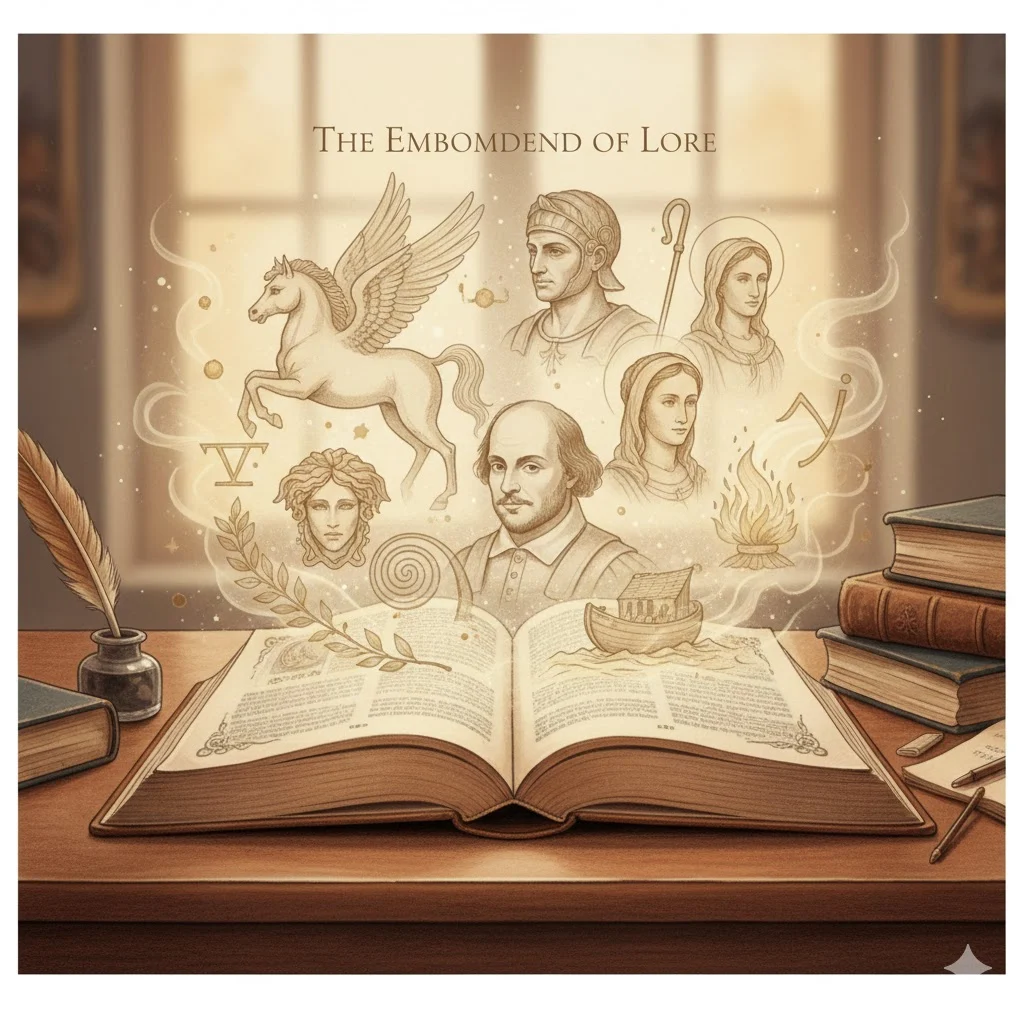

Allusion in literature is a literary device in which a writer makes an indirect or subtle reference to a well known person, event, place, work of art, myth, or historical moment, assuming the reader will recognize and understand the reference.
When reading a novel, poem, or short story, you may come across a line that feels familiar even though it is not fully explained. That moment is often an allusion at work. Rather than spelling everything out, writers use allusion to create deeper meaning, enrich their writing, and connect their text to shared cultural knowledge.
Because allusions rely on what readers already know, they can make literature feel more layered, intelligent, and emotionally powerful. In this article, you will learn exactly what allusion means in literature, why authors use it, how it works, and how to recognize it with confidence.
What Does Allusion Mean in Literature?
In literature, an allusion is an indirect reference to something outside the text. The writer does not explain the reference in detail. Instead, they trust the reader to make the connection.
An allusion can point to:
- A historical event
- A famous person
- A myth or legend
- A religious text
- Another book or poem
- A work of art or popular culture
Because of this, allusions add meaning without long explanations.
Why Writers Use Allusion
Writers use allusion for several important reasons. Rather than slowing the story down, allusion allows them to communicate complex ideas quickly.
Adding Depth and Meaning
First, allusion gives a text more depth. A single reference can carry emotional, moral, or symbolic meaning that would otherwise take paragraphs to explain.
Creating Connections
In addition, allusion connects the reader to shared cultural knowledge. When readers recognize the reference, they feel more engaged and included.
Showing Character Intelligence or Perspective
Sometimes, allusion reveals something about a character. For example, a character who alludes to classical mythology may seem educated or thoughtful.
Strengthening Themes
Finally, allusion can reinforce themes such as love, power, betrayal, fate, or heroism by linking them to well known stories.
Common Types of Allusion in Literature
Allusions appear in many forms. Understanding the main types makes them easier to identify.
1. Literary Allusion
A literary allusion refers to another book, poem, or author.
Example:
- Referring to a character as “a real Romeo”
This alludes to Shakespeare’s Romeo and Juliet and suggests deep romantic passion.
2. Mythological Allusion
Many writers allude to myths and legends, especially from Greek and Roman mythology.
Example:
- Calling a difficult task “a Herculean effort”
This refers to Hercules and implies great strength or struggle.
3. Biblical Allusion
Biblical allusions are common in English literature, even in non religious texts.
Example:
- Describing a forbidden place as “the Garden of Eden”
This suggests innocence, temptation, and loss.
4. Historical Allusion
Historical allusions refer to real events or figures from history.
Example:
- Comparing a leader to Napoleon
This implies ambition, power, or overconfidence.
5. Cultural or Pop Culture Allusion
Modern literature often includes references to movies, music, or famous figures.
Example:
- Calling someone a “modern day David versus Goliath”
This draws on a widely known story to highlight an underdog situation.
Examples of Allusion in Literature
To better understand how allusion works, here are clear examples with explanation.
Example 1: Shakespeare
Text:
“This place is a garden of Eden”
Explanation:
This alludes to the Bible and suggests purity or perfection.
Example 2: Poetry
Text:
“She opened the box, unleashing chaos everywhere”
Explanation:
This refers to Pandora’s box from Greek mythology and implies unintended consequences.
Example 3: Modern Fiction
Text:
“He met his Waterloo in that final exam”
Explanation:
This alludes to Napoleon’s defeat at Waterloo and suggests total failure.
Tone and Effect of Allusion
Allusion can shape the tone of a passage in different ways.
Serious or Elevated Tone
Classical or biblical allusions often create a serious, formal tone.
Playful or Humorous Tone
Pop culture allusions can feel lighthearted or ironic.
Emotional Tone
Allusions to tragic stories can deepen sadness or tension.
As a result, the choice of allusion strongly influences how a passage feels.
Allusion vs Similar Literary Devices
Allusion is often confused with other literary techniques. Understanding the differences is essential.
Comparison Table
| Device | Meaning | Key Difference |
|---|---|---|
| Allusion | Indirect reference | Not explained directly |
| Reference | Direct mention | Clearly stated |
| Symbol | Object representing idea | Meaning developed within text |
| Metaphor | Direct comparison | Not based on outside knowledge |
| Allegory | Extended symbolic story | Entire text has deeper meaning |
Unlike metaphor or symbolism, allusion depends on external knowledge.
How to Identify Allusion While Reading
Spotting allusions becomes easier with practice.
Here are helpful strategies:
- Look for familiar names or phrases
- Ask whether the text hints at something outside the story
- Consider whether extra meaning appears without explanation
- Think about history, mythology, religion, or famous works
If a line seems meaningful beyond its literal sense, it may be an allusion.
Why Allusion Can Be Challenging for Readers
Allusion assumes shared knowledge. Therefore, readers may miss the meaning if they are unfamiliar with the reference.
For example:
- A mythological allusion may confuse readers who do not know the myth
- Cultural allusions may age over time
- References may differ across cultures
However, once understood, allusions often enhance enjoyment and insight.
Common Mistakes About Allusion
Even students of literature sometimes misunderstand allusion.
Mistake 1: Thinking Allusion Is Always Obvious
Allusions are often subtle. Writers expect readers to infer meaning.
Mistake 2: Confusing Allusion with Quotation
An allusion does not quote directly. It hints instead.
Mistake 3: Assuming Allusions Are Always Serious
Some allusions are humorous, ironic, or playful.
Polite and Academic Ways to Explain Allusion
In essays or discussions, allusion can be described clearly and professionally.
Examples:
- The author alludes to classical mythology to emphasize struggle
- This line contains a biblical allusion suggesting temptation
- The reference functions as a historical allusion that adds irony
Using precise language strengthens literary analysis.
Frequently Asked Questions
1. What does allusion mean in literature?
Allusion means an indirect reference to a well known person, event, or work outside the text.
2. Why do authors use allusion?
Authors use allusion to add depth, meaning, and connections without lengthy explanation.
3. Is allusion the same as a reference?
No. A reference is direct, while an allusion is indirect and subtle.
4. Can allusion be modern?
Yes. Allusions can refer to modern culture, media, or famous figures.
5. Are allusions always intentional?
Most literary allusions are intentional, especially in studied works.
6. Is allusion used only in literature?
No. Allusion appears in speeches, films, music, and everyday language.
7. How can students recognize allusion?
Students should look for hints that point beyond the text to shared knowledge.
8. Does allusion require explanation?
Usually no. Its power comes from the reader making the connection.
Conclusion
So, what does allusion mean in literature? It means using indirect references to enrich a text by connecting it to shared cultural, historical, or literary knowledge.
To recap:
- Allusion is subtle and indirect
- It adds depth and emotional impact
- It relies on reader awareness
- It appears across genres and time periods
- It strengthens themes and tone
Once you begin noticing allusions, literature becomes more layered and rewarding. Each reference opens a door to deeper understanding and appreciation.
Discover More Post
What Does Collated Mean in Printing? with Examples(2026)
What Does Faded Mean in Drugs? Slang Meaning Explained …
What Does a Red Card Mean in Soccer? Rules, Punishments …