
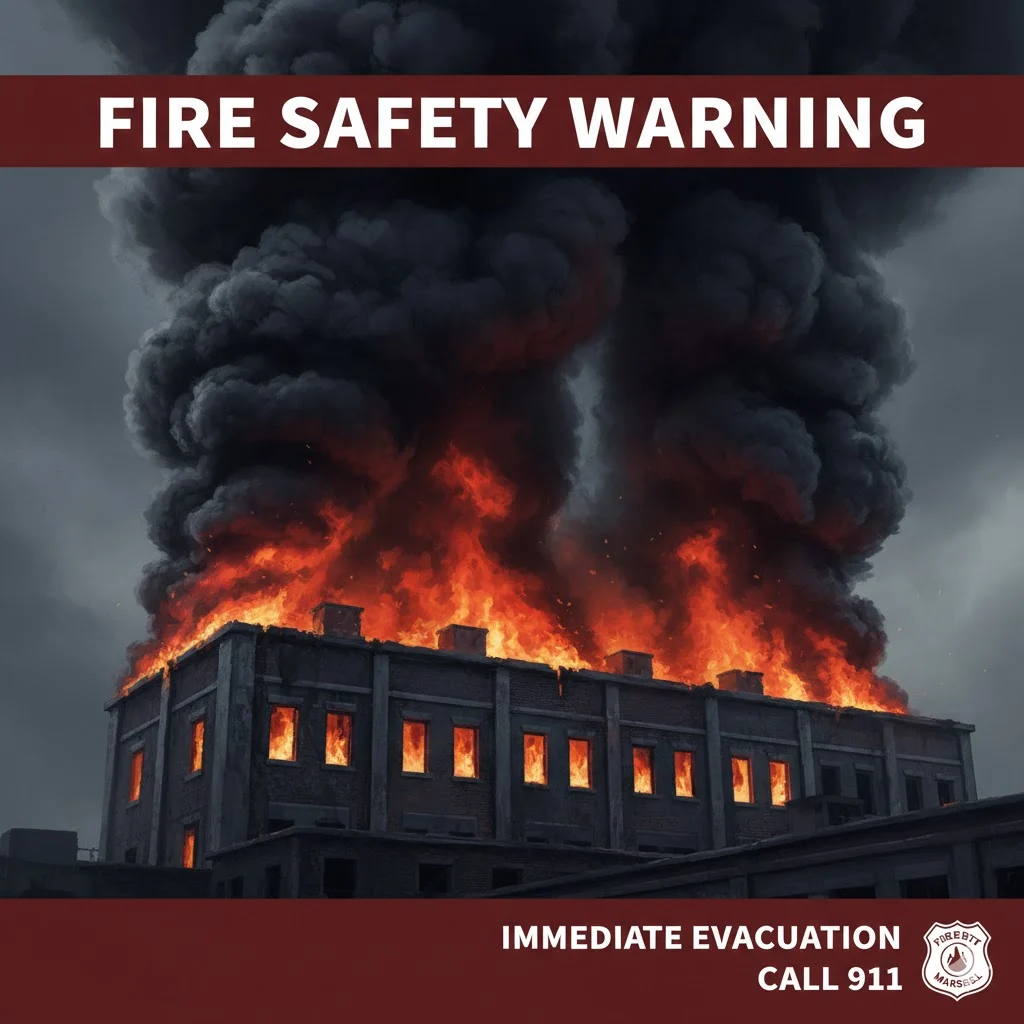

Black smoke in a fire usually means that materials are burning incompletely, often due to a lack of oxygen or the presence of petroleum based or synthetic materials like plastics, rubber, or fuel. It is a strong warning sign of a dangerous and fast growing fire.
Seeing thick black smoke rising from a fire can be alarming, and for good reason. Whether it comes from a house fire, a vehicle fire, or an industrial blaze, black smoke is a clear signal that something hazardous is happening. Many people wonder what it actually means and how serious the situation might be.
This article explains what black smoke means in a fire, why it forms, what materials cause it, how dangerous it is, and what actions you should take if you see it. By understanding the science and safety implications, you can react more quickly and make better decisions in emergency situations.
What Does Black Smoke Mean in a Fire?
In a fire, black smoke means that combustion is incomplete. In other words, the burning material is not receiving enough oxygen, or it is made of substances that do not burn cleanly.
As a result, unburned carbon particles are released into the air, creating thick, dark smoke. This type of smoke is often toxic, highly flammable, and extremely dangerous to inhale.
Because of this, firefighters treat black smoke as a serious warning sign.
Why Fires Produce Black Smoke
To understand black smoke, it helps to know how fire works.
Fire needs three elements:
- Heat
- Fuel
- Oxygen
When all three are present in the right balance, combustion is more complete and smoke appears lighter. However, when oxygen is limited or the fuel is synthetic, black smoke forms.
Incomplete Combustion Explained
Incomplete combustion happens when:
- Oxygen levels are low
- The fire is enclosed
- The fuel is oil based or plastic
- The fire is growing rapidly
Because the fuel does not fully burn, carbon rich particles escape into the smoke, making it darker and thicker.
Materials That Commonly Produce Black Smoke
Not all fires create black smoke. The color of smoke depends heavily on what is burning.
Common Sources of Black Smoke
Black smoke is often linked to the following materials:
- Plastics and synthetic fabrics
- Rubber and tires
- Gasoline and diesel
- Oil and grease
- Foam and insulation
- Asphalt and tar
For example, a house fire involving furniture, electronics, or carpeting will often produce black smoke very quickly.
Black Smoke vs Other Smoke Colors
Smoke color gives important clues about a fire. Comparing black smoke with other types helps explain why it is so dangerous.
Smoke Color Comparison Table
| Smoke Color | What It Usually Means | Risk Level |
|---|---|---|
| White | Moisture or light materials burning | Low to moderate |
| Gray | Mixed materials burning | Moderate |
| Brown | Wood or organic materials | Moderate |
| Black | Incomplete combustion of synthetic or fuel based materials | Very high |
Among all smoke colors, black smoke signals the highest level of danger.
What Black Smoke Indicates About Fire Behavior
Black smoke is not just toxic. It also tells firefighters how the fire may behave.
Key Fire Behavior Warnings
When black smoke is present:
- The fire may spread rapidly
- Conditions can change suddenly
- A flashover may be possible
- Explosions can occur if gases ignite
Because black smoke contains unburned fuel particles, it can ignite again if oxygen suddenly enters the space. This makes enclosed fires especially dangerous.
Is Black Smoke Dangerous to Breathe?
Yes, black smoke is extremely dangerous to inhale.
Health Risks of Black Smoke
Black smoke can contain:
- Carbon monoxide
- Hydrogen cyanide
- Soot particles
- Toxic chemicals from plastics
Even short exposure can cause:
- Breathing difficulty
- Dizziness or confusion
- Loss of consciousness
- Long term lung damage
For this reason, emergency responders always use protective breathing equipment around black smoke.
Black Smoke in Different Fire Situations
Black smoke can appear in many types of fires, and the meaning is generally consistent.
Smoke in House Fires
In homes, black smoke usually comes from:
- Burning furniture
- Electronics
- Synthetic flooring
- Insulation
Because modern homes contain many synthetic materials, black smoke can develop very quickly, sometimes within minutes.
Black Smoke in Vehicle Fires
Vehicle fires often produce heavy black smoke due to:
- Fuel
- Rubber tires
- Plastic components
- Oil and lubricants
In this case, black smoke may also signal the risk of explosion, especially if the fuel tank is affected.
Black Smoke in Industrial or Factory Fires
In industrial settings, black smoke often indicates:
- Chemical involvement
- Oil or fuel fires
- High heat conditions
These fires require specialized firefighting techniques due to the toxic nature of the smoke.
Examples of Black Smoke with Context
Neutral Observation
Black smoke is coming from the warehouse roof
This suggests synthetic or fuel based materials are burning
Emergency Situation
There is thick black smoke filling the hallway
This indicates a dangerous fire and immediate evacuation is needed
Firefighter Assessment
The presence of black smoke suggests incomplete combustion and potential flashover risk
What To Do If You See Black Smoke
Knowing how to respond can save lives.
Immediate Actions to Take
If you see black smoke:
- Leave the area immediately
- Stay low to avoid inhaling smoke
- Call emergency services as soon as possible
- Do not attempt to investigate the fire
- Warn others nearby if it is safe to do so
Importantly, never assume black smoke means the fire is under control. It often means the opposite.
Common Misconceptions About Black Smoke
Many people misunderstand what black smoke represents.
Misconception 1
Black smoke means the fire is dying
In reality, it often means the fire is growing and lacks oxygen
Misconception 2
Black smoke is only dirty, not dangerous
In fact, it is highly toxic and potentially explosive
Misconception 3
Only large fires produce black smoke
Even small fires can produce black smoke if synthetic materials are involved
Alternate Meanings of Black Smoke
Outside of fire safety, black smoke can have symbolic or technical meanings.
For example:
- In movies, black smoke often represents danger or destruction
- In engines, black smoke can indicate fuel imbalance
- In religious contexts, black smoke may symbolize a decision not yet reached
However, in fire safety and emergency contexts, black smoke almost always signals serious danger.
Frequently Asked Questions
1. What does black smoke mean in a fire?
It means incomplete combustion, often involving synthetic or fuel based materials and high danger.
2. Is black smoke worse than white smoke?
Yes. Black smoke is generally more toxic and more dangerous.
3. Does black smoke mean the fire is out of control?
Often, yes. It suggests rapid fire growth and unstable conditions.
4. Can black smoke explode?
It can. Unburned gases in black smoke may ignite if oxygen enters the area.
5. Is black smoke always caused by plastic?
Plastic is common, but fuels, oil, rubber, and other materials can also cause it.
6. What should I do if black smoke fills a room?
Leave immediately, stay low, and call emergency services.
7. Can black smoke cause long term health problems?
Yes. Inhalation can damage lungs and cause lasting health effects.
8. How do firefighters interpret black smoke?
They see it as a warning of high heat, toxic conditions, and potential flashover.
Conclusion
So, what does black smoke mean in a fire? It means the fire is burning incompletely, often involving synthetic or fuel based materials, and creating extremely dangerous conditions.
To summarize:
- Black smoke indicates incomplete combustion
- It often comes from plastics, fuels, and rubber
- It is highly toxic and flammable
- It signals rapid fire growth and serious risk
- Immediate evacuation is critical
Understanding the meaning of black smoke can help you recognize danger early and take the right action when every second matters
Discover More Post
What Does ETOH Mean in Medical Terms? Clear Explanation
What Does PEA Mean in Medical Terms? Pulseless Electrical …