
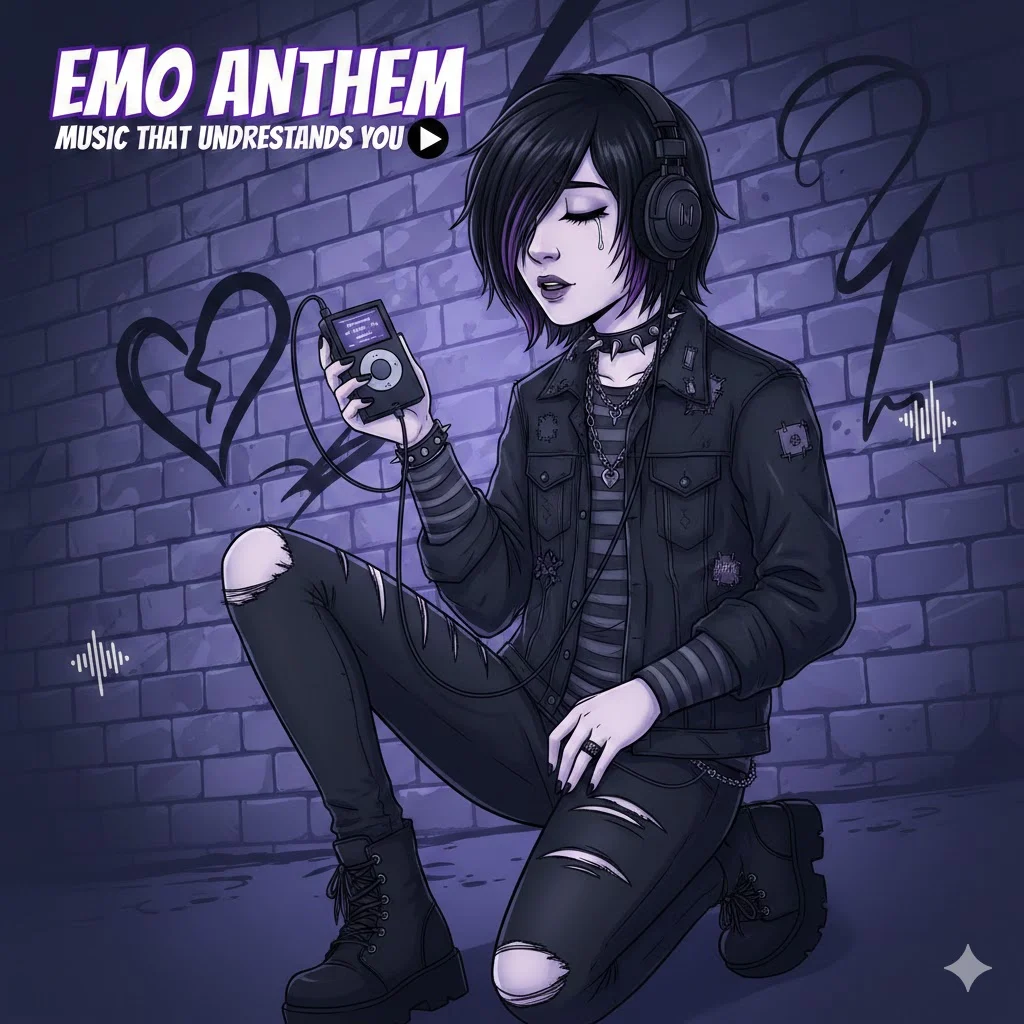

Emo in slang refers to a person, style, or attitude associated with emotional expression, alternative fashion, and music rooted in the emo rock genre. It often describes someone who is sensitive, expressive about feelings, or connected to emo culture.
If you have spent any time online, especially on social media, you have probably seen the word emo used in comments, captions, or even playful insults. Sometimes it refers to music. Other times it describes someone’s outfit. In some cases, it is used jokingly to describe a mood.
So what does emo actually mean in slang?
The answer depends on context. While the word originally came from a music genre, its meaning has expanded over the years. Today, it can describe fashion, personality traits, emotional expression, or even internet humor. In this guide, you will learn the true meaning of emo in slang, where it came from, how it is used today, and how to tell whether it is being used seriously, playfully, or negatively.
What Does Emo Mean in Slang?
In slang, emo usually describes someone who is emotionally expressive, sensitive, or connected to alternative music and fashion styles linked to emo culture.
More broadly, the term can refer to:
- A music genre rooted in emotional hardcore punk
- A fashion style featuring dark clothing and dramatic hair
- A personality stereotype centered on sensitivity and moodiness
- A playful way to describe being extra emotional
Although the word sometimes carries negative stereotypes, it is not inherently insulting. In fact, many people proudly identify as emo.
The Origin of Emo
Understanding the slang meaning of emo requires looking at its history.
Emo as a Music Genre
Originally, emo was short for emotional hardcore, a subgenre of punk rock that emerged in the mid 1980s. Bands focused on personal lyrics, vulnerability, and intense emotional themes.
Later, in the early 2000s, emo music became mainstream. Bands such as My Chemical Romance, Fall Out Boy, and Paramore helped define the cultural image associated with emo.
Because of this rise in popularity, the word moved beyond music and into everyday slang.
How Emo Became Slang
As emo culture gained visibility, people began using the word to describe more than just music.
Over time, emo became associated with:
- Dark eyeliner and black clothing
- Side swept bangs
- Emotional lyrics about heartbreak
- Sensitivity and introspection
Eventually, the word evolved into slang. It started appearing in online conversations to describe mood, personality, or aesthetic.
For example:
- “Why are you so emo today?”
- “That playlist is so emo.”
- “I am in my emo era.”
Common Slang Uses of Emo
The meaning of emo changes slightly depending on tone and context. Below are the most common ways it is used.
1. Describing a Music Style
First and foremost, emo still refers to a type of music.
Example:
- “I still listen to emo bands from high school.”
In this context, the word is neutral and specific to the genre.
2. Describing Fashion or Aesthetic
Emo can also describe a distinct style.
Typical emo fashion elements include:
- Black skinny jeans
- Band T shirts
- Dark eyeliner
- Studded belts
- Dyed black or brightly colored hair
Example:
- “I went through an emo phase in college.”
Here, the word usually refers to style and identity rather than personality.
3. Describing Emotional Behavior
In slang, emo often describes someone being especially emotional.
Example:
- “You are being so emo about this.”
- “That movie made me emo.”
Depending on tone, this can be playful or mildly teasing.
4. Self Expression and Identity
Importantly, many people use emo as a self identifier.
Example:
- “I am proudly emo.”
- “Emo music helped me through tough times.”
In this case, the word reflects belonging and personal identity.
Emotional Tone of Emo in Slang
Because slang depends heavily on tone, emo can feel different depending on how it is used.
Neutral Tone
- “I like emo music.”
- “She dresses in an emo style.”
This usage is descriptive and factual.
Playful Tone 😊
- “Stop being emo over a text message.”
- “I am feeling emo tonight.”
This usage is often lighthearted.
Slightly Negative or Teasing Tone 😐
- “Why are you always so emo?”
- “That is such an emo reaction.”
Here, the word can imply moodiness or over sensitivity. However, it is rarely deeply offensive unless used intentionally to mock.
Emo vs Related Slang Terms
Since emo overlaps with other alternative styles, it is helpful to compare it with similar terms.
Comparison Table
| Term | Meaning | Focus | Emotional Association |
|---|---|---|---|
| Emo | Emotional alternative culture | Music and feelings | High |
| Goth | Dark aesthetic and themes | Fashion and subculture | Moderate |
| Scene | Colorful alternative style | Appearance and social identity | Low to moderate |
| Sad Boy Sad Girl | Internet meme about being emotional | Mood | High |
Although these categories sometimes overlap, emo places the strongest emphasis on emotional expression.
Common Emo Phrases in Slang
Several phrases commonly appear online.
- Emo phase
- Emo kid
- Emo vibes
- Emo playlist
- In my emo era
Each phrase reflects cultural influence rather than just music.
For example:
- “I am in my emo era” often means someone is reconnecting with emotional music or expressing deeper feelings.
Alternate Meanings of Emo
Outside of slang and music, emo does not have widely recognized alternate dictionary meanings.
However, in internet culture, the word sometimes functions as shorthand for:
- Being dramatic
- Being overly sentimental
- Romanticizing sadness
Context always determines whether the usage is affectionate, neutral, or teasing.
Polite and Professional Alternatives
If you are speaking in a formal setting, emo may sound too casual. Instead, you could say:
- Emotionally expressive
- Sensitive
- Alternative style
- Introspective
- Emotion driven
For example, instead of saying:
“He is kind of emo,”
You could say:
“He tends to be emotionally expressive.”
This sounds more professional and less slang based.
Common Misconceptions About Emo
There are several stereotypes associated with emo that are not accurate.
Myth 1: Emo Means Depressed
Not necessarily. While emo culture explores emotional themes, it does not automatically mean someone is clinically depressed.
Myth 2: Emo Is Just a Phase
Although many people go through a style phase, others embrace emo culture long term.
Myth 3: Emo Is Always Negative
In reality, many people see emo culture as empowering and authentic.
Real World Examples of Emo in Sentences
Here are varied examples showing how context changes meaning.
Friendly:
- “This song is giving major emo vibes.”
Neutral:
- “She used to listen to emo music in high school.”
Playful:
- “Do not get emo over spilled coffee.”
Self descriptive:
- “I have always connected with emo culture.”
Each example shows how flexible the slang can be.
Frequently Asked Questions
1. What does emo mean in slang?
In slang, emo refers to someone who is emotionally expressive or connected to emo music and alternative culture.
2. Is emo an insult?
Not always. It can be playful or neutral, though it may feel teasing depending on tone.
3. Where did emo come from?
The term originated from emotional hardcore punk music in the 1980s.
4. Does emo mean depressed?
No. Emo focuses on emotional expression, not clinical depression.
5. What is an emo phase?
An emo phase usually refers to a period when someone embraces emo music, fashion, or style.
6. Is emo still popular?
Yes. While its peak was in the early 2000s, emo culture continues to influence music and fashion today.
7. What is the difference between emo and goth?
Emo emphasizes emotional expression and music, while goth focuses more on dark aesthetics and subculture.
8. Can someone proudly call themselves emo?
Yes. Many people identify as emo as part of their cultural or musical identity.
Conclusion
So, what does emo mean in slang? At its core, emo describes emotional expression connected to a specific music and fashion culture. However, over time, the word has evolved into a broader slang term used to describe mood, sensitivity, or aesthetic.
To summarize:
- Emo originated from emotional hardcore music
- It became associated with fashion and youth culture
- In slang, it can describe mood or personality
- Tone determines whether it sounds neutral, playful, or teasing
- Many people proudly embrace the term
Ultimately, context matters most. When used thoughtfully, emo is simply a word that celebrates emotional honesty and cultural identity.
Discover More Post
What Does Andante Mean in Music? Simple Explanation with …
What Does Fertile Mean in a Woman? Clear Meaning and …


