
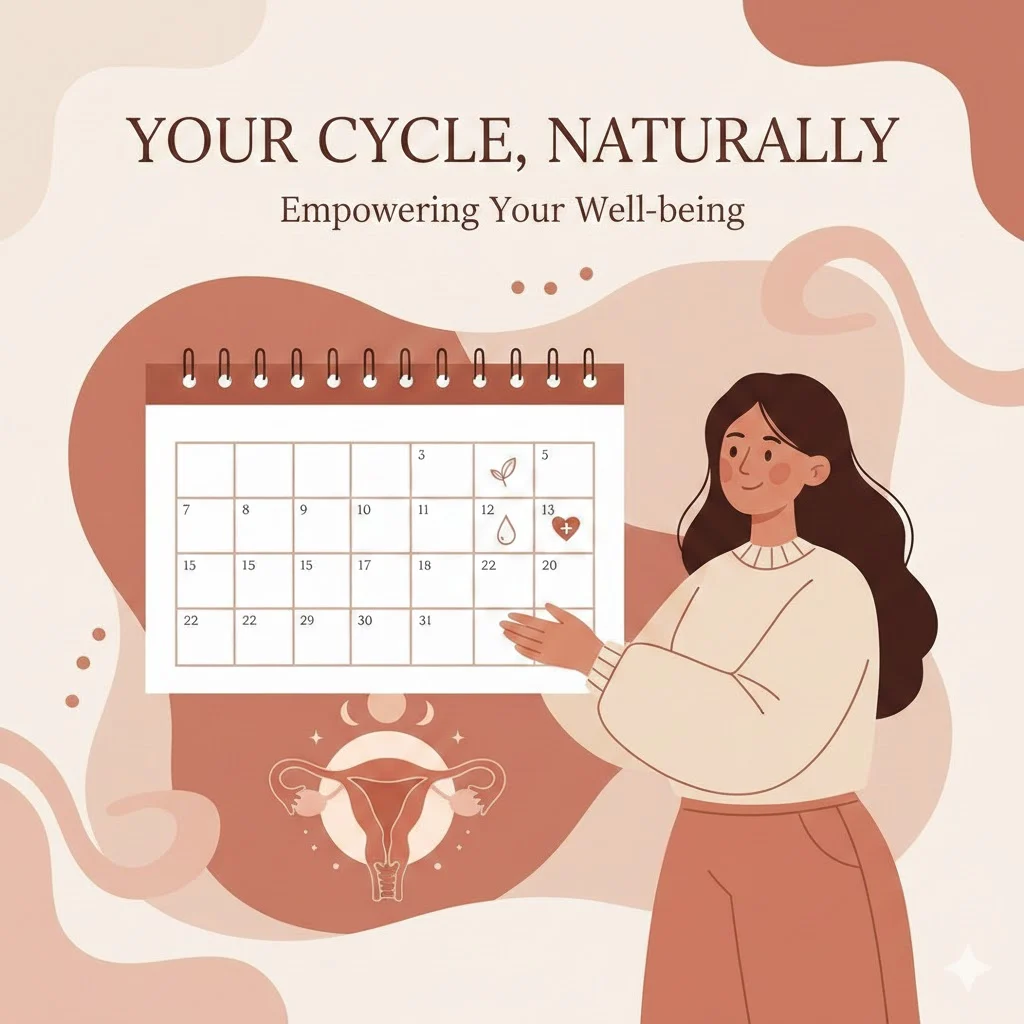

Fertile, when referring to a woman, means she has the biological ability to conceive and become pregnant. It indicates that her reproductive system is functioning in a way that allows ovulation, fertilization, and potential pregnancy.
The word fertile is often used in medical discussions, family planning, and everyday conversations. However, many people still feel unsure about what it truly means when applied to a woman. Some associate it only with pregnancy, while others confuse it with overall health or age.
In reality, fertility is a specific biological concept tied to a woman’s reproductive cycle. Understanding what fertile means can help with family planning, health awareness, and clearer communication with healthcare providers.
This article explains what fertile means in a woman, how fertility works, common signs of fertility, factors that influence it, and how the term is used in both medical and everyday language.
What Does Fertile Mean in a Woman?
In simple terms, a woman is considered fertile when her body is capable of producing eggs, ovulating regularly, and supporting conception.
Fertility does not mean that a woman is pregnant. Instead, it means she has the potential to become pregnant under the right conditions.
A fertile woman generally has:
- Regular ovulation
- Healthy eggs
- Functional reproductive organs
- Hormonal balance that supports conception
Understanding Female Fertility
To fully understand fertility, it helps to look at how the female reproductive system works.
Each month, a woman’s body prepares for possible pregnancy through the menstrual cycle. During this cycle, one ovary releases an egg. This process is called ovulation.
If sperm fertilizes the egg during this time, pregnancy can occur. If fertilization does not happen, the body sheds the uterine lining, resulting in a menstrual period.
Fertility depends on how well this cycle functions.
The Fertile Window Explained
A woman is not fertile every day of the month. Instead, fertility peaks during a specific time called the fertile window.
The fertile window usually includes:
- The day of ovulation
- The five days leading up to ovulation
This is because sperm can survive inside the female body for several days, while the egg survives for about twenty four hours after ovulation.
During this window, the chances of pregnancy are highest.
Signs a Woman Is Fertile
Although fertility is confirmed medically, many women notice physical signs that indicate fertile days.
Common Signs of Fertility
- Changes in cervical mucus that become clear and stretchy
- Mild pelvic discomfort during ovulation
- Increased libido
- Slight rise in basal body temperature after ovulation
- Regular menstrual cycles
These signs are natural and vary from person to person.
Fertile vs Infertile in Women
Understanding fertility also means knowing how it differs from infertility.
Fertile vs Infertile Comparison Table
| Fertile | Infertile |
|---|---|
| Ovulates regularly | Ovulation may be irregular or absent |
| Can conceive naturally | Difficulty conceiving |
| Reproductive system functions normally | Reproductive issues may be present |
| Pregnancy is possible | Pregnancy is challenging without treatment |
Infertility does not always mean permanent inability. In many cases, treatment or lifestyle changes can improve fertility.
Factors That Affect Female Fertility
Fertility is influenced by a combination of biological and lifestyle factors.
Age
Age is one of the most important factors. Female fertility is generally highest in the late teens through early thirties. After the mid thirties, fertility gradually declines.
Hormonal Balance
Hormones regulate ovulation. Conditions that disrupt hormones can affect fertility.
Health Conditions
Some medical conditions that impact fertility include:
- Polycystic ovary syndrome
- Endometriosis
- Thyroid disorders
- Pelvic infections
Lifestyle Factors
Daily habits also matter. Fertility can be influenced by:
- Nutrition
- Stress levels
- Smoking
- Alcohol use
- Excessive or insufficient body weight
Does Fertile Mean Healthy?
Fertile does not always mean completely healthy.
A woman can be fertile even if she has other health issues. Likewise, a healthy woman may experience fertility challenges due to hormonal or reproductive factors.
Fertility refers specifically to reproductive ability, not overall wellness.
Fertile Woman vs Pregnant Woman
These two terms are often confused, but they are not the same.
A fertile woman can become pregnant.
A pregnant woman has already conceived.
Fertility is about potential, while pregnancy is an active condition.
Medical Use of the Term Fertile
In medical settings, fertility is assessed through:
- Hormone tests
- Ultrasound scans
- Ovulation tracking
- Menstrual history
- Fertility evaluations
Doctors may describe a woman as fertile if tests show normal ovulation and reproductive function.
Everyday Use of Fertile
Outside medicine, people often use the word fertile more loosely.
Examples:
- She is in her fertile years
- The doctor said she is fertile
- Fertility is highest at this age
In everyday language, fertile usually implies the ability to conceive, even if pregnancy is not planned.
Emotional and Social Context of the Word Fertile
The word fertile can carry emotional weight. For some women, it brings hope and excitement. For others, it may cause pressure or anxiety, especially when fertility expectations are involved.
Because of this, it is important to use the term respectfully and thoughtfully.
Polite and Professional Alternatives
In sensitive conversations, softer or more clinical language may be preferred.
Polite alternatives include:
- Able to conceive
- Reproductively healthy
- Ovulating regularly
- In childbearing years
These options can feel more respectful in medical or personal discussions.
Common Myths About Female Fertility
There are several misconceptions about what fertile means.
Myth One
A fertile woman gets pregnant easily every time.
In reality, even fertile women may take months to conceive.
Myth Two
Fertility disappears suddenly after a certain age.
Fertility declines gradually, not overnight.
Myth Three
Regular periods always mean high fertility.
While regular cycles are a good sign, they do not guarantee fertility.
Frequently Asked Questions
1. What does fertile mean in a woman medically?
Medically, it means she can ovulate and has the biological ability to conceive.
2. Can a woman be fertile and not get pregnant?
Yes. Fertility means the ability to conceive, not a guarantee of pregnancy.
3. Is a woman fertile during her period?
Fertility is lowest during menstruation, but timing can vary depending on cycle length.
4. Does fertile mean ready to have a baby?
No. Fertile refers to biological capability, not personal readiness or choice.
5. At what age is a woman most fertile?
Most women are most fertile between their late teens and early thirties.
6. Can fertility change over time?
Yes. Fertility can increase or decrease due to age, health, or lifestyle factors.
7. Does being fertile mean no fertility problems?
Not always. Some fertility challenges are temporary or treatable.
8. How can a woman know if she is fertile?
Ovulation tracking, regular cycles, and medical testing can help determine fertility.
Conclusion
So, what does fertile mean in a woman? It means she has the biological ability to conceive due to normal ovulation and reproductive function.
To recap:
- Fertile refers to the potential to become pregnant
- It is linked to ovulation and reproductive health
- Fertility varies with age and health
- Being fertile does not guarantee pregnancy
- The term should be used thoughtfully and respectfully
Understanding fertility empowers women to make informed decisions about their health, family planning, and future goals.
Discover More Post
What Does 420 Mean in Slang? Meaning, History, and …
What Does Contingent Mean in Realty? Explained for 2026
What Does GOP Mean in Politics? Definition and History …


