
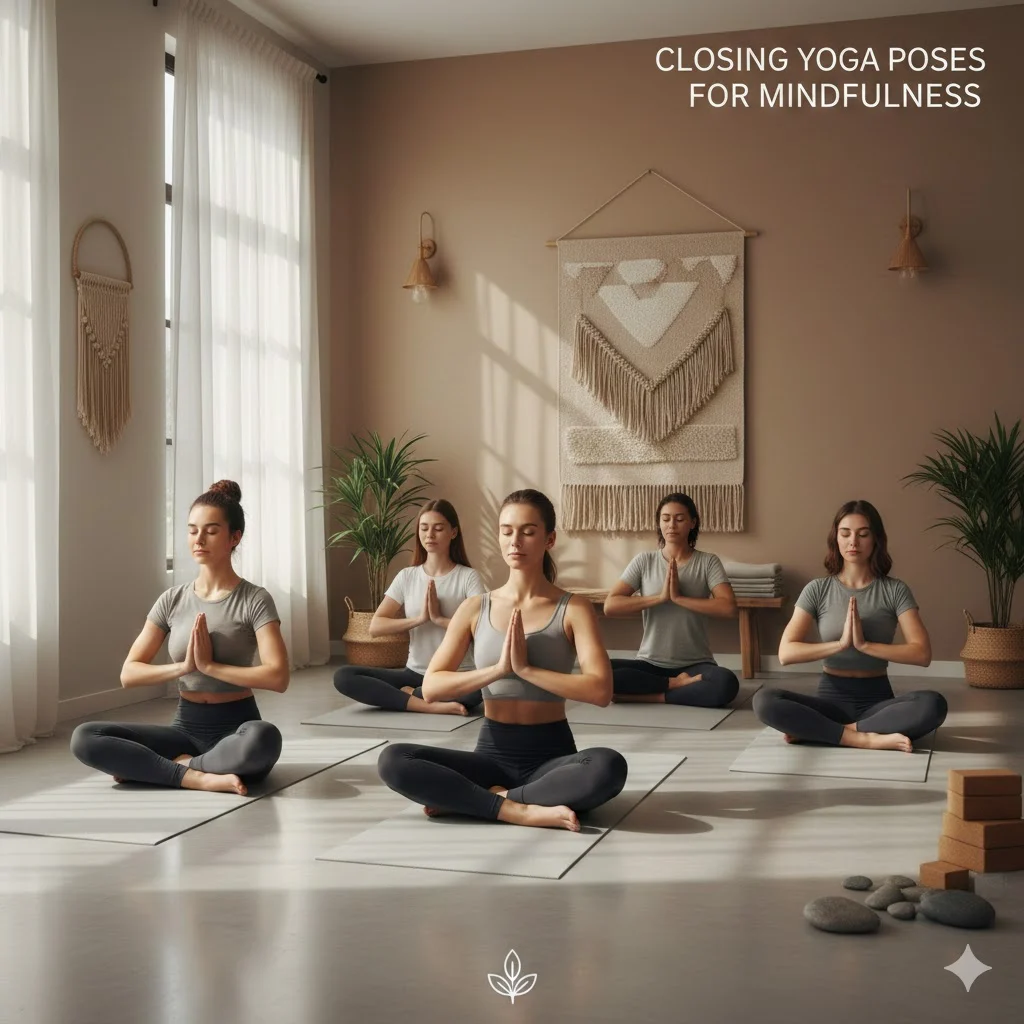

Namaste is a Sanskrit word commonly used in yoga that means “I bow to you” or more deeply, “The divine in me honors the divine in you.” In yoga practice, it is often spoken at the end of class as a gesture of respect, gratitude, and connection.
If you have ever attended a yoga class, you have likely heard the instructor close with the word Namaste. Students often bring their palms together at the heart, bow their heads slightly, and softly repeat the word in return. Although it may seem like a simple ritual, Namaste carries cultural, spiritual, and linguistic depth.
Because yoga has become globally popular, the word Namaste is now widely recognized. However, many people still wonder what it truly means in yoga and whether it has a deeper spiritual significance. In this guide, you will learn the true meaning of Namaste, its origin, how it is used in yoga, common misconceptions, and respectful ways to use it.
What Does Namaste Mean in Yoga?
In yoga, Namaste is a respectful greeting or closing expression that acknowledges a shared sense of connection.
The word comes from Sanskrit and can be broken into two parts:
- Namah meaning bow or reverence
- Te meaning to you
Together, Namaste translates literally as “I bow to you.”
However, within yoga philosophy, it is often interpreted more spiritually as:
“The light in me honors the light in you.”
or
“The divine in me recognizes the divine in you.”
Therefore, in a yoga context, Namaste expresses gratitude, humility, and mutual respect between teacher and students.
The Origin of Namaste
To fully understand Namaste in yoga, it helps to explore its cultural roots.
Namaste originates from ancient India and is rooted in Hindu and Buddhist traditions. It has been used for centuries as both a greeting and a spiritual expression.
In India and Nepal, Namaste is commonly used in daily life. People may say it when greeting someone, saying goodbye, or showing respect. It is often accompanied by a gesture called Anjali Mudra, where the palms are pressed together at the chest.
Over time, as yoga spread from India to the Western world, Namaste became part of the traditional closing ritual in many yoga classes.
Why Is Namaste Used at the End of Yoga Class?
In modern yoga studios, Namaste is usually spoken at the end of class rather than at the beginning.
There are several reasons for this:
First, it symbolizes gratitude between teacher and student.
Second, it marks the completion of the practice.
Third, it reinforces the idea of shared energy and respect.
Additionally, saying Namaste at the end encourages mindfulness. After movement, breathing, and meditation, the word helps bring closure to the experience.
In this way, Namaste serves as both a spiritual and communal moment.
The Gesture That Accompanies Namaste
Namaste is typically paired with a physical gesture.
Students and teachers bring their palms together in front of the heart. The head bows slightly. The eyes may close briefly.
This gesture is called Anjali Mudra.
Symbolically:
- The palms joining represent unity.
- The heart position symbolizes sincerity.
- The bow expresses humility.
As a result, the gesture reinforces the meaning behind the word.
Spiritual Meaning of Namaste in Yoga
In yoga philosophy, Namaste goes beyond a simple greeting.
Yoga teaches that each person carries a spark of divine energy or inner light. When someone says Namaste, they are acknowledging that shared spiritual essence.
For example, many instructors interpret it as:
“The light within me honors the light within you.”
This interpretation emphasizes:
- Unity
- Respect
- Interconnectedness
- Gratitude
Even so, not every yoga class approaches Namaste in a deeply religious way. In many modern studios, it is used in a more secular sense to express appreciation and closure.
Examples of Namaste in Context
Understanding tone and context helps clarify how Namaste is used.
Traditional Yoga Class Tone
Instructor:
“Thank you for sharing your practice today. Namaste.”
Students softly reply:
“Namaste.”
Tone: calm, respectful, reflective.
Casual Studio Tone
Instructor:
“Great work today everyone. Namaste.”
Tone: warm, appreciative.
Daily Life Use in India
Person A:
“Namaste.”
Person B:
“Namaste.”
Tone: polite greeting similar to hello.
Namaste vs Hello: Are They the Same?
Although Namaste can function like hello, it is not identical.
Here is a helpful comparison.
| Namaste | Hello |
|---|---|
| Sanskrit origin | English origin |
| Expresses respect and reverence | Neutral greeting |
| Often paired with a bow gesture | Usually spoken only |
| Spiritual undertone in yoga | Secular greeting |
While hello is purely conversational, Namaste carries cultural and spiritual significance.
Common Misconceptions About Namaste
Because yoga is popular worldwide, misunderstandings sometimes occur.
Misconception 1: Namaste Always Means The Light in Me Honors the Light in You
That phrase is a poetic interpretation rather than a literal translation. The direct meaning remains “I bow to you.”
Misconception 2: Namaste Is Only Used in Yoga
In reality, Namaste is a common greeting in parts of South Asia.
Misconception 3: Namaste Is Religious
Although it has roots in Hindu traditions, many people use it culturally rather than religiously. In yoga studios outside India, it is often used in a secular way.
Is It Respectful to Say Namaste?
This is an important question, especially for yoga practitioners outside South Asia.
Using Namaste respectfully involves understanding its origin and meaning.
Here are a few guidelines:
- Use it sincerely rather than jokingly
- Avoid exaggerating accents or gestures
- Recognize its cultural roots
- Understand that not all yoga teachers use it
Some modern yoga instructors choose not to say Namaste to avoid cultural appropriation concerns. Others continue the tradition with awareness and respect.
Alternate Meanings of Namaste
In standard Sanskrit and Hindi usage, Namaste consistently means a respectful greeting or bow.
However, similar variations exist:
- Namaskar, which is slightly more formal
- Pranam, another respectful greeting
Despite variations, the core meaning remains connected to respect and reverence.
Polite Alternatives in Yoga Classes
If an instructor chooses not to use Namaste, they may close class with alternatives such as:
- Thank you for practicing today
- Thank you for sharing your energy
- Wishing you peace and balance
- Have a mindful day
These alternatives maintain gratitude without using Sanskrit terminology.
Frequently Asked Questions
1. What does Namaste literally mean?
It literally means “I bow to you.”
2. Why do yoga instructors say Namaste at the end?
It expresses gratitude, respect, and shared connection after practice.
3. Is Namaste religious?
It has spiritual roots, but it can be used culturally or secularly.
4. Do people in India say Namaste every day?
Yes. It is commonly used as a greeting in daily life.
5. Is it disrespectful to say Namaste?
Not if used sincerely and respectfully.
6. What gesture goes with Namaste?
Palms pressed together at the heart with a slight bow, known as Anjali Mudra.
7. Does Namaste mean goodbye?
It can be used for both greeting and parting.
8. Should students say Namaste back?
It is optional. Many students repeat it, but participation is a personal choice.
Conclusion
So, what does Namaste mean in yoga?
At its core, it means “I bow to you.” In yoga, however, it carries a deeper message of unity, gratitude, and shared humanity. Whether interpreted spiritually or culturally, Namaste represents respect and connection.
To summarize:
Namaste comes from Sanskrit.
literally means I bow to you.
It is commonly used at the end of yoga class.
It should be used with awareness and respect.
Understanding Namaste allows you to appreciate its meaning rather than simply repeating it. In doing so, you participate more fully in the mindful spirit that yoga encourages.
Discover More Post
What Does Excluded Mean in PowerSchool – DefineHubs.com –
What Do OTP Mean in Text? Meaning, Examples, and Usage …


