
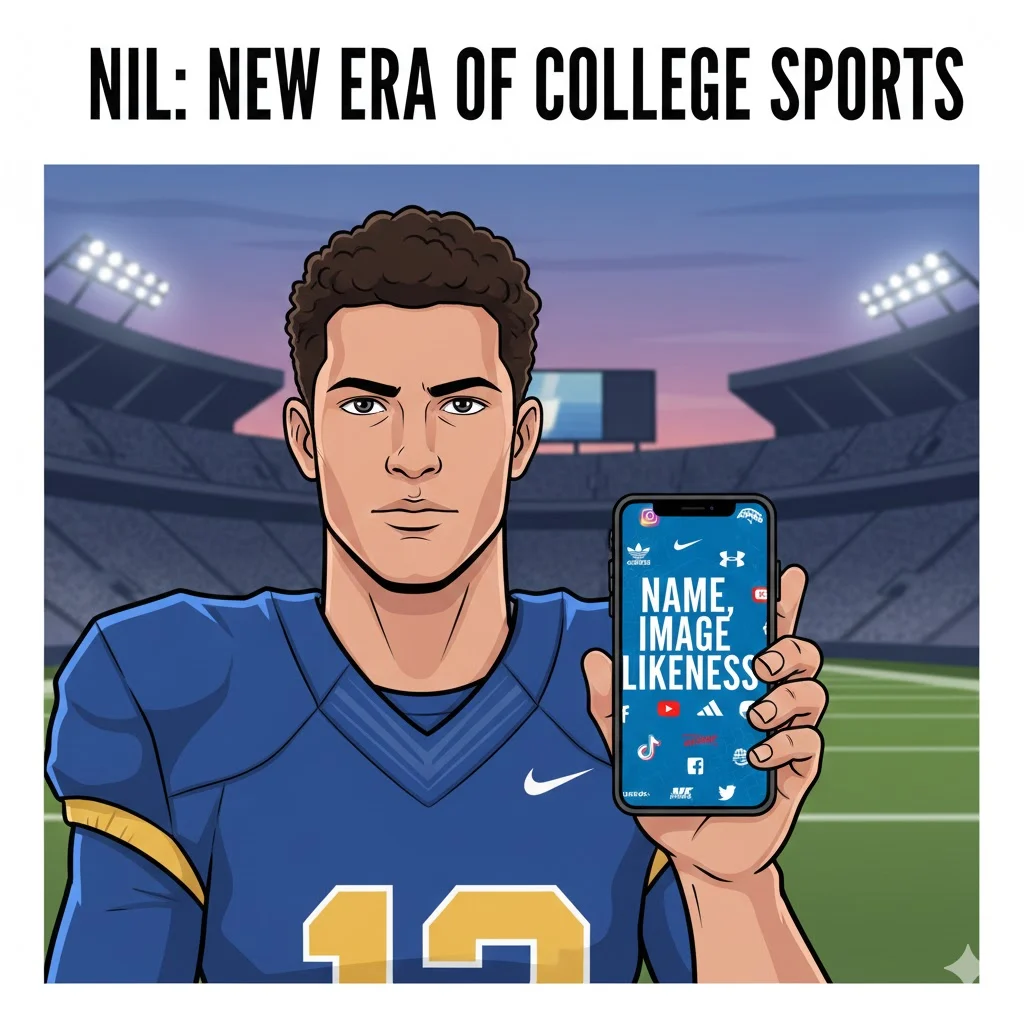

NIL in college sports stands for Name Image Likeness. It refers to the rights of college athletes to earn money from their name, image, and likeness through endorsements, sponsorships, social media, appearances, and other business opportunities while maintaining their eligibility to compete.
College sports have changed dramatically in recent years, and few developments have been as impactful as NIL. If you follow NCAA athletics, watch college football or basketball, or hear athletes talk about brand deals, you have likely come across this term. At first, NIL may sound technical or confusing, especially if you are used to the old rules of amateur athletics.
However, NIL is now a central part of college sports. Understanding what it means helps fans, parents, athletes, and recruits make sense of how college athletics works today. In this guide, you will learn what NIL means in college sports, why it matters, how it works in real life, and how it compares to the old system.
What Does NIL Mean in College Sports?
In college sports, NIL means Name Image Likeness.
It allows college athletes to earn compensation for the use of their:
- Name
- Image
- Likeness
In other words, athletes can now make money from who they are and how they are recognized publicly.
Before NIL rules changed, college athletes were prohibited from earning money tied to their athletic fame. Now, they can profit in ways similar to professional athletes, as long as they follow specific guidelines.
Understanding Name Image and Likeness
To fully understand NIL, it helps to break the phrase down.
Name
An athlete’s name refers to their personal identity. This includes being paid for autograph signings, branded merchandise, or public appearances that use their name.
Image
Image covers photos, videos, and visual representations. For example, using an athlete’s photo in an advertisement or social media promotion falls under image rights.
Likeness
Likeness refers to anything that makes the athlete recognizable. This can include voice, nickname, or distinctive features associated with them.
Together, these rights allow athletes to benefit financially from their personal brand.
Origin of NIL in College Sports
For decades, college sports followed strict amateurism rules. Under those rules, athletes could not receive payment beyond scholarships and limited benefits.
Over time, criticism grew for several reasons:
- Colleges and conferences generated billions in revenue
- Athletes risked injury without financial compensation
- Universities profited from jerseys, broadcasts, and marketing
As a result, legal challenges and public pressure increased.
In July 2021, major changes took effect. The NCAA adopted interim policies allowing athletes to profit from NIL, largely in response to state laws and court rulings. Since then, NIL has become a permanent and evolving part of college athletics.
Why NIL Became So Important
NIL matters because it reshaped the balance of power in college sports.
First, it gave athletes more control over their financial futures. Many athletes now earn money while still in school, reducing reliance on professional careers that are never guaranteed.
Second, it created new recruiting dynamics. Schools with strong NIL opportunities often attract top talent.
Finally, NIL brought transparency to a system that previously relied on unofficial and sometimes illegal compensation.
How NIL Works in Practice
Although NIL sounds complex, its real world use is fairly straightforward.
College athletes can earn money through activities such as:
- Social media sponsorships
- Brand endorsements
- Signing memorabilia
- Paid appearances
- Running camps or clinics
- Personal merchandise sales
However, athletes must still follow school, conference, and NCAA related guidelines. Most institutions require athletes to disclose NIL deals for compliance purposes.
Examples of NIL in Real Life
Here are realistic examples that show how NIL works in college sports.
Positive and Professional Use
A college quarterback partners with a local car dealership to appear in ads and social media posts. He is paid for using his name and image.
A women’s basketball player promotes athletic wear on Instagram and earns money through sponsored posts.
Neutral Everyday Use
A gymnast hosts paid training camps during the summer using her reputation and name.
A track athlete sells personalized merchandise online.
Controversial or Critical Context
Some fans criticize NIL when large deals influence recruiting decisions. Others argue that it creates imbalance between schools.
Even so, NIL itself remains legal and accepted under current rules.
NIL and Recruiting
NIL has become a major factor in recruiting conversations.
Recruits now consider:
- Potential NIL opportunities
- Local business support
- School market size
- Alumni backed collectives
Although schools cannot directly pay athletes salaries, NIL opportunities often play a role in where athletes choose to commit.
NIL Collectives Explained
One term often mentioned alongside NIL is collective.
NIL collectives are organizations, often funded by boosters or alumni, that help connect athletes with NIL opportunities. While they do not pay athletes to play, they facilitate endorsements and partnerships.
These collectives operate independently from universities but are closely tied to athletic communities.
NIL vs Athletic Scholarships
It is important to understand that NIL is not the same as a scholarship.
Comparison Table
| NIL | Scholarship |
|---|---|
| Based on personal brand | Based on athletic or academic ability |
| Paid by businesses or sponsors | Provided by the school |
| Can vary widely in value | Fixed by school policies |
| Available to many athletes | Limited by roster rules |
NIL income is separate from tuition coverage and does not replace scholarships.
Common Misconceptions About NIL
Many people misunderstand what NIL allows.
Here are a few clarifications..
NIL does not guarantee income for every athlete.
NIL does not allow schools to directly pay players salaries.
Instead, NIL simply allows athletes to earn money from third parties based on their public identity.
Alternate Meanings of NIL
Outside of college sports, the word nil has a different meaning.
In general English, nil means:
- Zero
- Nothing
- No value
For example, a score of nil in soccer means zero.
Because of this, context is important. In college sports discussions, NIL almost always refers to Name Image Likeness.
Polite and Professional Ways to Refer to NIL
In formal writing or professional settings, NIL can be referenced clearly without slang.
Examples:
- Name Image Likeness opportunities
- NIL compensation
- NIL related endorsements
- NIL rights for student athletes
Using the full term often adds clarity, especially for audiences unfamiliar with the abbreviation.
Frequently Asked Questions
1. What does NIL mean in college sports?
NIL stands for Name Image Likeness and allows college athletes to earn money from their personal brand.
2. When did NIL become legal in college sports?
NIL rules officially changed in July 2021.
3. Do all college athletes get NIL deals?
No. NIL opportunities depend on visibility, marketability, and individual effort.
4. Can colleges pay athletes directly through NIL?
No. Schools cannot directly pay athletes salaries under NIL rules.
5. Does NIL affect athletic eligibility?
Athletes remain eligible as long as they follow NIL guidelines.
6. Are NIL deals taxed?
Yes. NIL income is generally considered taxable income.
7. What sports benefit most from NIL?
Football and basketball receive the most attention, but athletes in many sports benefit.
8. Is NIL fair to all athletes?
Opinions vary. Some see it as empowering, while others worry about imbalance.
Conclusion
So, what does NIL mean in college sports? It means Name Image Likeness, a system that allows college athletes to earn money from their personal brand while still competing at the collegiate level.
To summarize:
- NIL gives athletes financial opportunities
- It changed college sports permanently
- It affects recruiting, branding, and athlete independence
- It exists alongside scholarships, not instead of them
- It requires compliance and transparency
As college athletics continues to evolve, NIL remains one of the most important developments shaping its future.
Discover More Post
What Does ETOH Mean in Medical Terms? Clear Explanation
What Does PEA Mean in Medical Terms? Pulseless Electrical …