
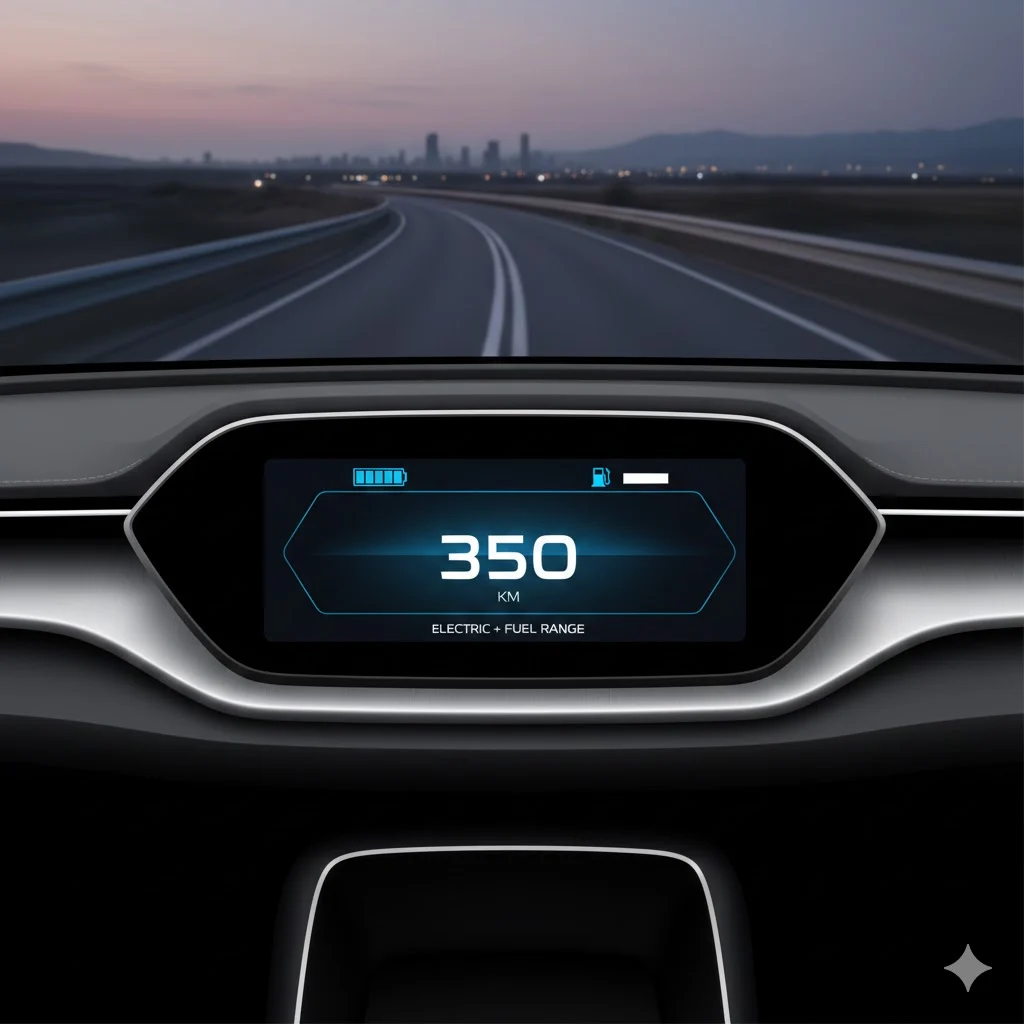

Range in a car refers to the estimated distance a vehicle can still travel before it runs out of fuel or battery charge. It is usually shown on the dashboard and updates based on driving conditions, fuel level, or battery percentage.
If you have ever glanced at your car’s dashboard and noticed a number next to the word range, you may have wondered exactly what it means and how reliable it is. For many drivers, especially those using modern cars or electric vehicles, range plays a crucial role in daily driving decisions.
Understanding what range means in a car can help you plan trips better, avoid running out of fuel or charge, and drive more efficiently. In this guide, we will explain the meaning of range in simple terms, how it is calculated, why it changes, and how it differs between fuel powered and electric cars.
What Does Range Mean in a Car?
In automotive terms, range is the estimated number of miles or kilometers a car can still drive with the fuel or battery it currently has.
This estimate is based on several factors, including:
- Remaining fuel or battery level
- Recent driving habits
- Average fuel consumption or energy usage
- Road and traffic conditions
Because it is an estimate, range is not a fixed number. Instead, it adjusts as you drive.
Where You See Range in a Car
Most modern vehicles display range on the dashboard or infotainment screen.
Depending on the car, it may appear as:
- “Range”
- “Distance to empty”
- “Miles to empty”
- “Remaining range”
Although the wording may differ, the meaning is the same.
How Car Range Is Calculated
Car range is calculated by combining how much fuel or charge is left with how efficiently the car has been running.
For Fuel Powered Cars
In gasoline or diesel cars, the system calculates range using:
- Fuel remaining in the tank
- Average fuel economy from recent driving
For example, if your car has fuel for 10 liters left and your recent fuel efficiency suggests you can drive 15 kilometers per liter, your estimated range would be about 150 kilometers.
For Electric Cars
In electric vehicles, range is calculated using:
- Battery charge percentage
- Recent energy consumption
- Driving conditions such as speed and terrain
Because EV efficiency can change quickly, the displayed range can fluctuate more noticeably.
Why Range Changes While Driving
Many drivers notice that their car’s range goes up or down even when they are not refueling or charging. This is completely normal.
Several factors influence range changes.
Driving Style
First, aggressive driving reduces range.
Fast acceleration, high speeds, and sudden braking use more fuel or battery power. As a result, the estimated range decreases faster.
On the other hand, smooth driving can increase the displayed range.
Traffic Conditions
Next, stop and go traffic often reduces range in fuel cars, while it may improve efficiency in some electric vehicles due to regenerative braking.
Open highways at steady speeds usually provide a more predictable range.
Weather and Temperature
In addition, weather plays a role.
Cold temperatures can reduce battery efficiency in electric cars. Similarly, using air conditioning or heating increases energy consumption in all vehicles.
Terrain and Load
Finally, hills, mountains, and heavy loads reduce range.
Driving uphill or carrying extra weight forces the engine or motor to work harder, which shortens the estimated distance you can travel.
Range in Gas Cars vs Electric Cars
Although the concept of range is the same, it behaves differently depending on the type of vehicle.
Comparison Table
| Feature | Gas or Diesel Cars | Electric Cars |
|---|---|---|
| Energy source | Fuel tank | Battery |
| Range display | Distance to empty | Remaining range |
| Fluctuation | Moderate | More noticeable |
| Refueling | Quick | Slower charging |
| Range anxiety | Lower | Higher for some drivers |
Electric vehicles often highlight range more prominently because charging stations may not be as widely available as fuel stations.
What Is a Good Range for a Car?
A “good” range depends on the type of car and how you use it.
Typical Ranges
- Small gas cars often have a range of 400 to 600 kilometers
- Large SUVs may reach 500 to 700 kilometers
- Modern electric cars usually offer 300 to 500 kilometers per charge
- High end electric models can exceed 500 kilometers
What matters most is whether the range fits your daily driving and travel needs.
Common Examples of Range in Everyday Driving
Here are some realistic examples of how range works in practice.
Example 1: Fuel Car
You start driving with a range of 450 kilometers. After city driving for an hour, the range drops to 380 kilometers. This drop reflects fuel usage and driving conditions.
Example 2: Electric Car
Your electric car shows a range of 320 kilometers at 80 percent charge. After highway driving at high speed, the range updates to 280 kilometers.
Example 3: Improved Range
You switch to smoother driving and lower speeds. As a result, your remaining range drops more slowly than expected.
Range Anxiety Explained
Range anxiety refers to the fear of running out of fuel or battery before reaching a destination.
This feeling is more common among electric vehicle drivers, especially new ones.
However, understanding how range works helps reduce this concern. Modern cars provide accurate estimates and warnings well before energy runs low.
Is Car Range Always Accurate?
Car range is generally reliable, but it is still an estimate.
It may be less accurate when:
- Driving conditions change suddenly
- You switch from city to highway driving
- Weather conditions shift quickly
- The car has just been refueled or charged
Therefore, it is best to treat range as guidance rather than a guarantee.
Polite and Professional Use of the Term Range
The word range is commonly used in professional settings such as car sales, service centers, and technical discussions.
Examples:
- “This model offers an estimated range of 500 kilometers.”
- “Your remaining range depends on driving habits.”
- “Electric range may vary under real world conditions.”
These phrases sound clear and professional in automotive communication.
Alternate Meanings of Range in Cars
Although range usually means remaining driving distance, it can also appear in other automotive contexts.
Examples include:
- Gear range such as park, drive, or low range
- Engine operating range
- Speed range
Context makes the meaning clear, but on dashboards, range almost always refers to distance left.
Frequently Asked Questions
1. What does range mean on a car dashboard?
It means the estimated distance the car can still travel before running out of fuel or battery.
2. Why does my car range change while driving?
Because it updates based on driving style, traffic, terrain, and energy usage.
3. Is range the same as fuel level?
No. Fuel level shows how much fuel remains, while range estimates how far you can drive with it.
4. Does faster driving reduce range?
Yes. Higher speeds usually reduce fuel efficiency and battery life.
5. Is range more important in electric cars?
Yes. Charging availability makes range a more critical factor for EV drivers.
6. Can range increase while driving?
Yes. Efficient driving or downhill travel can increase the estimated range.
7. What happens when range reaches zero?
Most cars still have a small reserve, but you should refuel or recharge immediately.
8. How can I improve my car’s range?
Drive smoothly, maintain proper tire pressure, reduce extra weight, and avoid unnecessary idling.
Conclusion
So, what does range mean in a car? It refers to the estimated distance your vehicle can still travel with its remaining fuel or battery charge.
To recap:
- Range helps drivers plan trips and refueling
- It is calculated using fuel or battery level and efficiency
- It changes based on driving style and conditions
- It is especially important for electric vehicles
- It should be used as a helpful estimate, not an exact promise
By understanding how range works, you can drive smarter, reduce stress, and make better decisions on the road
Discover More Post
What Does Emphasize Mean in Text? Definition, Examples …
What Does Tocar Mean in Spanish? Meaning and Everyday …
What Does TR Mean in College? Schedule Meaning …


