
Few words carry as much global recognition and emotional power as “Simba.” Thanks to language, culture, and pop culture influences like The Lion King, the word has traveled far beyond East Africa. But what does simba really mean in Swahili—and why is it so significant?
In this in-depth guide, we’ll explore the true meaning of “simba” in Swahili, its cultural roots, real-world usage, symbolic meaning, tone variations, and how it compares to similar terms. Whether you’re curious about language, African culture, baby names, or pop culture references, this article gives you a complete, SEO-optimized explanation.
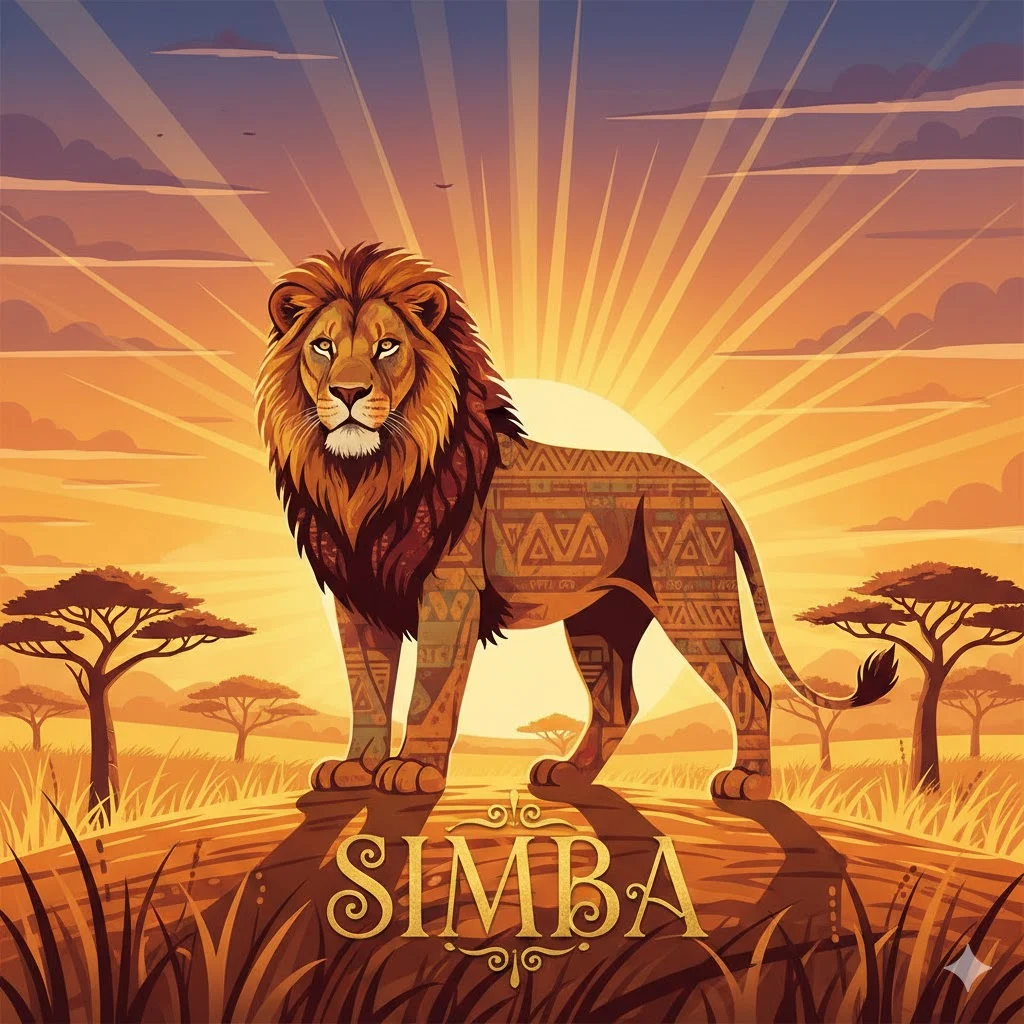
Simba is a Swahili word that means “lion.”
In Swahili-speaking cultures, simba symbolizes strength, bravery, leadership, and royalty.
Why the Word “Simba” Is So Powerful
The word simba isn’t just a literal translation—it carries deep cultural, symbolic, and emotional meaning. In many African societies, lions represent:
- Courage
- Authority
- Protection
- Wisdom
- Kingship
That’s why simba is used not only to describe the animal, but also as:
- A nickname
- A personal name
- A symbol in sports, politics, and storytelling
🦁
Origin of the Word “Simba”
Linguistic Roots
- Language: Swahili (Kiswahili)
- Language Family: Bantu (Niger-Congo family)
- Regions Spoken:
- Tanzania
- Kenya
- Uganda
- Rwanda
- Democratic Republic of Congo
- Coastal East Africa
Swahili developed as a trade language, blending Bantu roots with Arabic, Persian, and later European influences. However, simba is a pure Bantu-origin word, deeply rooted in African tradition.
Literal Meaning of Simba in Swahili
| Swahili Word | English Meaning | Part of Speech |
|---|---|---|
| Simba | Lion | Noun |
In everyday Swahili conversation:
- “Simba ni mnyama mkali.”
(The lion is a fierce animal.)
Cultural Meaning of Simba
In Swahili and broader African culture, simba represents far more than a wild animal.
Symbolic Meanings of Simba
- 🦁 Strength & Power
- 👑 Leadership & Authority
- 🛡 Protection
- 💪 Courage
- 🌍 Connection to nature and ancestry
Historically, leaders, warriors, and respected elders were often compared to lions—calling someone simba was (and still is) a high compliment.
Simba as a Name (Personal & Symbolic Use)
Is Simba Used as a Name?
Yes—Simba is used as:
- A given name
- A nickname
- A symbolic title
Why Parents Choose the Name Simba
Parents may choose Simba to express hopes that a child will grow up:
- Brave
- Confident
- Strong
- Respected
It’s often considered a gender-neutral name, though more commonly masculine in usage.
Global Popularity of Simba (Thanks to Pop Culture)
The Lion King Effect 🦁🎬
The Disney film The Lion King introduced Simba to a worldwide audience.
In the movie:
- Simba’s name literally means “lion”
- His journey mirrors African storytelling themes:
- Loss
- Identity
- Responsibility
- Leadership
This global exposure dramatically increased:
- Baby name usage
- Cultural curiosity about Swahili
- Respect for African linguistic heritage
Real-World Usage Examples
Neutral / Informational
“In Swahili, the word simba means lion.”
Friendly / Affectionate
“We call him Simba because he’s fearless and confident 🦁”
Symbolic / Inspirational
“Be a simba—strong, calm, and fearless.”
Slightly Dismissive or Playful
“He thinks he’s a simba, but he’s just showing off.”
Tone and Context Matters
Just like in English, tone changes meaning.
| Tone | Meaning |
|---|---|
| Respectful | Brave, powerful leader |
| Playful | Confident or bold personality |
| Sarcastic | Overconfident or boastful |
Simba in Sports, Media, and Branding
Sports Teams
- Simba SC (Tanzania) – one of Africa’s most successful football clubs
- “Lions” are common mascots representing dominance and strength
Media & Branding
- Used in logos to suggest:
- Authority
- Trust
- Leadership
- Power
Simba vs Similar Swahili Animal Terms
Comparison Table
| Swahili Word | Meaning | Symbolism |
|---|---|---|
| Simba | Lion | Power, leadership |
| Chui | Leopard | Speed, stealth |
| Tembo | Elephant | Wisdom, memory |
| Nyati | Buffalo | Strength, endurance |
| Duma | Cheetah | Speed, agility |
Related Swahili Words & Phrases
- Simba jike – Lioness
- Simba dume – Male lion
- Mfalme wa pori – King of the jungle
- Moyo wa simba – Heart of a lion (bravery)
Alternate Meanings of Simba
While simba primarily means lion, it can also refer to:
- A personal name
- A nickname
- A sports team
- A fictional character
However, all alternate meanings trace back to the original Swahili definition.
Polite or Professional Alternatives
In formal or literary writing, you might use:
- “Lion” (English translation)
- “Symbol of strength”
- “Leader figure”
- “Royal animal”
But in Swahili contexts, simba remains the most authentic and culturally rich term.
Usage Tips for Non-Swahili Speakers
- Pronunciation: SIM-bah
- Avoid using it mockingly in cultural contexts
- When used respectfully, it’s often received positively
FAQ
1. What does simba mean in Swahili?
Simba means lion in Swahili.
2. Is Simba a real Swahili word?
Yes, it’s a genuine Swahili word with deep cultural roots.
3. Why is Simba associated with strength?
Because lions symbolize courage, leadership, and authority in African culture.
4. Is Simba used as a baby name?
Yes, especially in African communities and globally after The Lion King.
5. Is Simba masculine or feminine?
It’s gender-neutral, though often used for males.
6. Does Simba have religious meaning?
Not directly, but it carries spiritual symbolism related to leadership and protection.
7. Is Simba respectful to use as a nickname?
Yes, when used positively or affectionately.
8. Are there other Swahili words for lion?
Simba is the most common and widely used word.
Conclusion:
Simba means more than just “lion.”
It represents strength, leadership, courage, and cultural pride rooted in Swahili language and African heritage.
Whether used in:
- Language learning
- Naming
- Storytelling
- Pop culture
- Symbolic expression
Simba remains one of the most powerful and meaningful Swahili words known worldwide.
🦁 Strong. Brave. Timeless.