
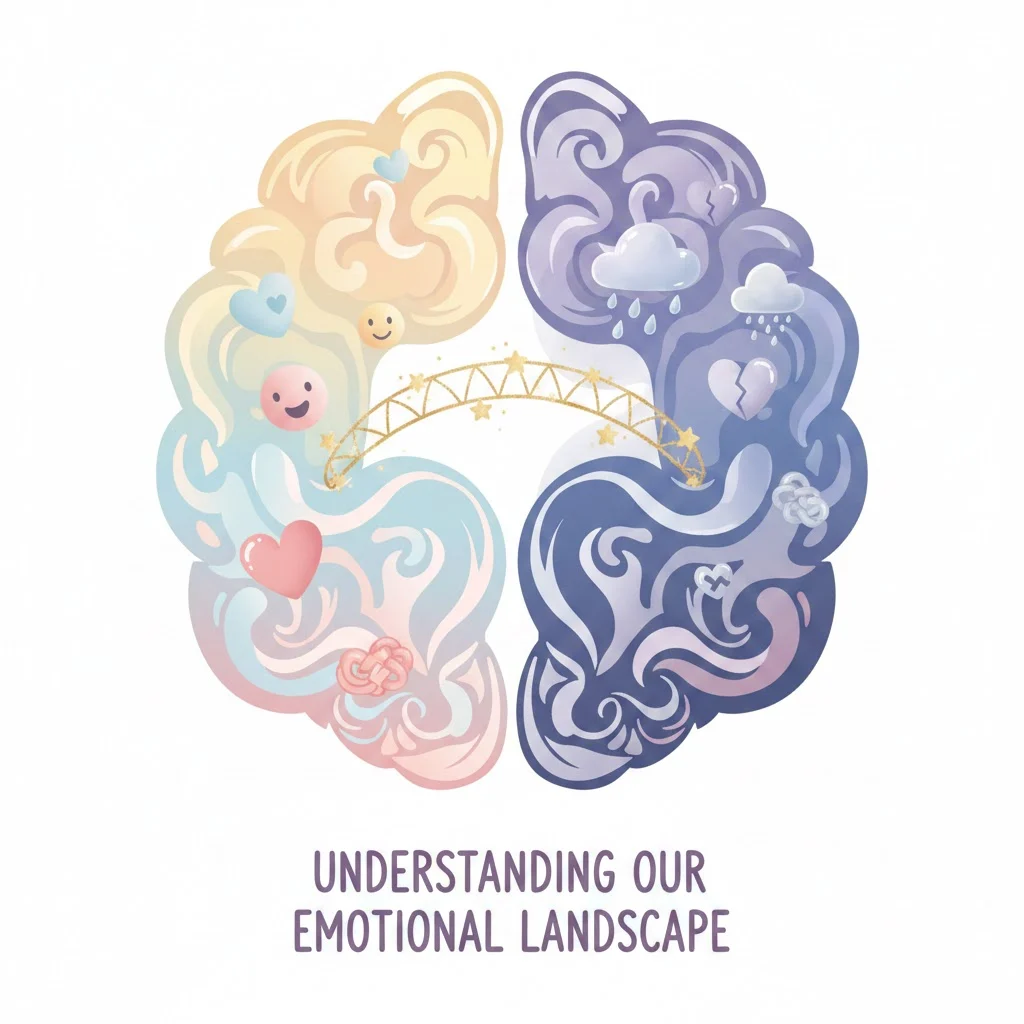

Have you ever felt like someone you love suddenly went from perfect to terrible in your mind? One moment they feel safe and caring. The next moment they feel cruel or dangerous. This emotional flip can feel confusing, painful, and exhausting.
This experience is often called splitting, and it is a core symptom of borderline personality disorder.
If you are asking what does splitting mean in BPD, you are not alone. Many people living with BPD, and those who love them, struggle to understand why emotions can change so fast and feel so extreme.
In this guide, we explain splitting in simple words. You will learn what it means, why it happens, how it shows up in daily life, and what helps manage it. Whether you live with BPD or support someone who does, this article is written to help you understand without judgment.
What Does Splitting Mean in BPD?
Splitting in BPD means seeing people, situations, or even yourself in all good or all bad terms, with no middle ground.
Someone may think:
- You are perfect and caring
- Then suddenly think you are cruel or abandoning
There is no gray area during splitting. Everything feels extreme and absolute.
Key idea:
Splitting is not manipulation. It is a coping response to intense emotions.
People with borderline personality disorder often experience emotions more strongly than others. When feelings become overwhelming, the brain looks for safety. Splitting simplifies the world into good or bad to reduce emotional pain.
Simple Definition
Splitting in BPD is a defense mechanism where a person shifts between idealizing and devaluing others or themselves.
Why Does Splitting Happen in Borderline Personality Disorder?
Splitting usually comes from fear and emotional overload, not anger or control.
Common causes include:
- Fear of abandonment
- Past trauma or neglect
- Difficulty regulating emotions
- Sensitivity to rejection
- Stressful relationships
When the brain senses emotional danger, it reacts quickly. Subtle events like a delayed text or a change in tone can trigger intense fear.
The mind then switches into black and white thinking:
- Safe or unsafe
- Love or hate
- Stay or leave
This response often starts in childhood as a way to survive emotional pain. Over time, it becomes automatic.
What Splitting Looks Like in Daily Life
Splitting can affect many areas of life, especially relationships.
Common signs of splitting
- Sudden mood shifts about one person
- Extreme praise followed by extreme criticism
- Feeling deeply connected one day and emotionally distant the next
- Cutting people off suddenly
- Feeling ashamed or guilty after emotional outbursts
Example in a relationship
Morning thought:
“You are the only person who truly understands me.”
Later that day:
“You never cared about me at all.”
Both feelings feel real in the moment.
Splitting vs Normal Mood Changes
Everyone has mood swings. Splitting is different.
| Normal Mood Change | Splitting in BPD |
|---|---|
| Gradual emotional shift | Sudden emotional flip |
| Mixed feelings possible | Only good or bad |
| Feelings fade | Feelings feel absolute |
| Logic still present | Logic feels blocked |
Splitting feels urgent and intense. It often comes with physical sensations like chest tightness, racing thoughts, or panic.
Splitting in Relationships
Relationships are the most common trigger for splitting.
Why relationships trigger splitting
- Emotional closeness feels risky
- Fear of losing connection
- High expectations for safety
- Past attachment wounds
Relationship patterns
- Idealizing a partner early
- Feeling deeply bonded very fast
- Strong reactions to perceived rejection
- Sudden breakups or emotional shutdowns
- Intense regret after conflict
This cycle can feel exhausting for both partners.
Splitting Toward Yourself
Splitting does not only affect how others are seen. It also affects self image.
Self splitting examples
- Feeling confident and worthy one moment
- Feeling worthless and broken the next
- Seeing yourself as good or bad with no balance
- Harsh self criticism after mistakes
This can increase shame, anxiety, and depression.
Is Splitting Intentional or Manipulative?
No. Splitting is not intentional.
People experiencing splitting genuinely feel the emotions they express at that moment. The shift happens fast and often without awareness.
After the episode passes, many people feel:
- Guilt
- Confusion
- Shame
- Fear of being abandoned
Understanding this helps reduce blame and increase compassion.
How Long Does Splitting Last?
Splitting episodes can last:
- Minutes
- Hours
- Days
It depends on stress level, emotional support, and coping skills. With therapy and self awareness, episodes often become shorter and less intense over time.
Triggers That Can Cause Splitting
Splitting triggers vary by person, but common ones include:
- Feeling ignored
- Cancelled plans
- Conflict or criticism
- Changes in routine
- Emotional vulnerability
- Feeling misunderstood
Triggers are often emotional, not logical.
How Splitting Feels Internally
People with BPD often describe splitting as:
- Emotional pain flooding the body
- Fear taking over thoughts
- Feeling abandoned or unsafe
- Losing access to logical thinking
- Needing reassurance immediately
It is not a choice. It is a nervous system response.
Healthy Ways to Cope With Splitting
Splitting can be managed with support and skills.
Helpful coping strategies
- Pause before reacting
- Name the feeling without judging it
- Use grounding techniques
- Write thoughts instead of sending messages
- Delay decisions during emotional intensity
- Practice self soothing
Grounding examples
- Cold water on hands
- Slow breathing
- Naming five things you can see
- Sitting with feet on the floor
Therapy That Helps With Splitting
The most effective treatment for splitting in BPD is Dialectical Behavior Therapy (DBT).
DBT helps with:
- Emotional regulation
- Distress tolerance
- Interpersonal communication
- Mindfulness
- Reducing black and white thinking
Other helpful therapies include:
- Schema therapy
- Mentalization based therapy
- Trauma informed therapy
Recovery is possible with time and support.
How to Support Someone Who Experiences Splitting
If you love someone with BPD, your response matters.
Helpful responses
- Stay calm and grounded
- Validate feelings without agreeing with extremes
- Set clear but kind boundaries
- Avoid arguing during emotional peaks
- Reassure without over explaining
What not to do
- Dismiss their feelings
- Threaten abandonment
- Use shame or blame
- Take splitting personally
Support does not mean sacrificing your own well being.
Splitting and Social Media
Social media can intensify splitting.
Why?
- Lack of tone and context
- Delayed responses
- Comparison
- Fear of being ignored
Small online interactions can feel huge emotionally. Limiting exposure during intense emotional states can help.
Can Splitting Improve Over Time?
Yes. Many people with BPD learn to manage splitting successfully.
With therapy, awareness, and practice:
- Emotional intensity decreases
- Black and white thinking softens
- Relationships become more stable
- Self trust improves
Progress is not linear, but it is real.
FAQs
What does splitting mean in BPD in simple terms?
It means seeing people or situations as all good or all bad due to intense emotions.
Is splitting the same as mood swings?
No. Splitting involves extreme black and white thinking, not gradual mood changes.
Can someone with BPD control splitting?
Not in the moment, but skills and therapy help reduce episodes.
Does splitting mean someone does not love you?
No. Splitting often comes from fear of losing love, not lack of it.
Can splitting damage relationships?
Yes, but understanding and communication can reduce harm.
Is splitting always about other people?
No. It can also affect how someone sees themselves.
Conclusion
Now you understand what does splitting mean in BPD and why it happens. Splitting is not about drama or control. It is a response to overwhelming emotions and fear of abandonment.
With the right tools, support, and compassion, splitting can become easier to manage. Healing is possible, and relationships can improve. Understanding is the first step toward balance, clarity, and emotional safety.
If this article helped you, consider sharing it with someone who may need clarity and kindness today.